
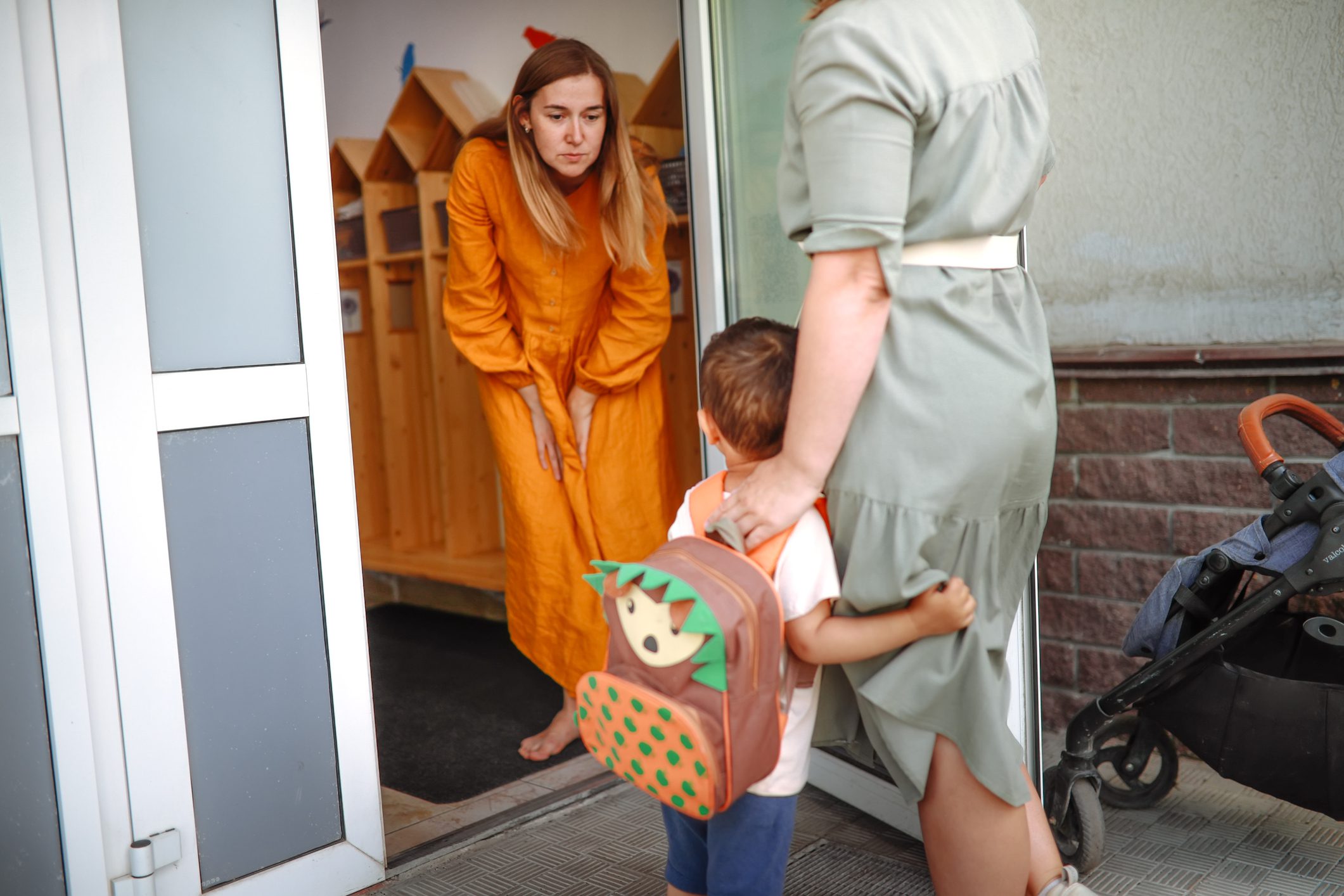
Separation anxiety in children is a common yet often misunderstood condition that many parents face. This guide aims to provide you with the necessary information and tools to better understand and help your child through this challenging time.
What is Separation Anxiety?
Separation anxiety is a normal part of childhood development, typically appearing in infants around six to eight months of age. It is characterized by distress when a child is separated from their primary caregiver. While it’s a natural phase, understanding its nuances can help you better support your child.
When does separation anxiety develop?
Separation anxiety usually peaks between 10 to 18 months of age and can continue into early childhood. For some children, it may persist and become more pronounced in later years, particularly during significant transitions such as starting school.
Separation Anxiety Disorder Symptoms
While separation anxiety is a normal developmental stage, it can sometimes develop into separation anxiety disorder (SAD), a more serious condition requiring attention. Here are some symptoms to watch for:
- Excessive Worry: Constant worry about being apart from caregivers.
- Nightmares: Frequent nightmares about separation.
- Physical Complaints: Headaches or stomachaches when separation is anticipated.
- Refusal to Separate: Reluctance or refusal to go to school or sleepovers.
- Panic Attacks: Intense episodes of fear or panic when separated.
If these symptoms are severe and persist for an extended period, it may be time to consult a professional.
How to Help a Child with Separation Anxiety
Helping a child with separation anxiety involves both emotional support and practical strategies. Here are several approaches you can take:
Establish a goodbye ritual
Developing a consistent and brief goodbye ritual can provide comfort and predictability. Whether it’s a special handshake or a quick hug, these rituals can reassure your child and make the separation more manageable.
Practice short separations
Start with short periods apart and gradually increase the duration. This can help your child slowly get used to being away from you while realizing that you will return.
Encourage independence
Encourage activities that promote independence, such as playdates or engaging in tasks around the house. This can help build your child’s confidence and reduce anxiety over time.
Stay calm and positive
Your child can pick up on your emotions, so it’s important to remain calm and positive when saying goodbye. Reassure them that they are safe and you will return soon.
Treatment for Separation Anxiety
If separation anxiety becomes severe, seeking professional help may be necessary. Here are some treatment options:
Cognitive Behavioral Therapy (CBT)
CBT is a common and effective treatment for separation anxiety disorder. It involves working with a therapist to change negative thought patterns and develop coping strategies.
Family therapy
Family therapy can help address any underlying family dynamics that might be contributing to the child’s anxiety. It also allows family members to learn how to support their child effectively.
Medication
In some cases, medication may be prescribed to help manage severe symptoms. This is typically considered only when therapy alone is insufficient and is always done under the guidance of a healthcare professional.
Preparing for Transitions
Transitions, such as starting a new school year or moving to a new home, can trigger separation anxiety. Preparing your child for these changes can help ease their anxiety.
Visit the new environment
If possible, visit the new school or environment with your child before the transition occurs. Familiarizing them with the new setting can reduce anxiety.
Talk about the change
Discuss the upcoming changes openly and positively. Use books or stories about similar experiences to help your child understand and process their feelings.
When to Seek Professional Help
If your child’s separation anxiety is interfering with their daily life and causing significant distress, it may be time to seek professional help. A psychologist or pediatrician can provide guidance and recommend appropriate treatment.
Does Your Child Need Help for Separation Anxiety?
Separation anxiety in children is a normal part of development, but it can become challenging if it escalates into a disorder. By understanding its symptoms, providing support and knowing when to seek help, you can effectively guide your child through this phase.
Located in Centre Hall, PA, The Meadows Psychiatric Center provides inpatient mental health treatment for teens struggling with mental health disorders. Call us today at 800-641-7529 or fill out an assessment online to get started and learn more about what we can do for you or a loved one.